| 2021: |
António Cascais participates in the talk show "Causa e Efeito" / (portuguese public tv RTP África), speaking about luso-african movies, actors and directors in the Berlin film festival, "Berlinale 2021".
https://www.youtube.com/watch?v=80wOzr5rO7Q
|
Antonio Cascais participates in the political talkshow "Presseclub" / "Internationaler Frühschoppen" (german public tv), speaking about the situation in Portugal, concerning the "corona pandemic".
https://www.youtube.com/watch?v=FLHwXNqqhGo&t=2610s
|
| 2020: |
Selection of documentaries & reports by Antonio Cascais:
"Defeat the crisis with Surfboard and Fado".
(Original title: „Mit Surfbrett und Fado durch die Krise“, german TV NDR 2020, report for the series „NDR Weltreisen“, 30min.)
"Summer in Portugal in times of corona".
(Original title: “Unser Sommer in Portugal”, french-german tv arte 2020, report for the series „arte:RE“, 30 min.)
https://www.youtube.com/watch?v=RCk7zkPZs8s
"Fleeing the corona virus".
(Original title: „Auf der Fluch vor dem Corona-Virus“, german tv SWR 2020, report for the series „SWR Doku“, 15 min.)
https://www.youtube.com/watch?v=8xhfZf7uNV4&t=142s
"Lithium mining in Portugal".
(Original title: „Lithium-Abbau in Portugal - Ein Dorf auf den Barrikaden“ french-german tv arte 2020, report for the series „arte:RE“, 30 min.)
https://www.youtube.com/watch?v=1MbUud5st3A
https://www.youtube.com/watch?v=Q4g8DCR7cl0&t=21s
|
| November 2015: |
Antonio Cascais' new documentary will have the following title:
"Portugal, the apt pupil of the Troika".
A film with a critical focus on the role of German companies in Portugal...
It will be broacasted on WDR-tv, the biggest public channel in Germany, monday, december, 7th., 2015 form 10 - 10.45 p.m.
Read the WDR press release: (PDF)
http://www1.wdr.de/fernsehen/dokumentation_reportage/die-story/sendungen/ausverkauf-in-portugal-100.html
|
| July 2015: |
Portugal and the Greek depht crisis: Antonio Cascais speaks with german radio station mdr info: click here
|
| June 2015 |
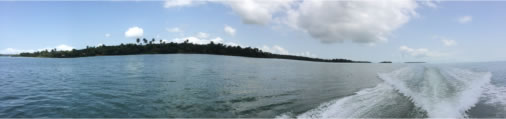
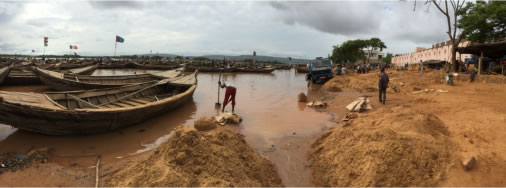
Antonio Cascais' latest documentary on drug trafficking in west Africa is broacasted on arte-tv, the international french-german channel. The shooting of the 1 our lenght documentary took place in Mali, Senegal, Guinea-Bissau and Cape Verde.
Watch the documentation here:
German language: https://www.youtube.com/watch?v=KmxH4GDeZFY
French language: https://www.youtube.com/watch?v=Y7O5WlmFoyo
Announcement arte-tv / french: http://www.arte.tv/guide/fr/052701-000/drogue-la-nouvelle-guerre-des-cartels
Portuguese synopsis: A região da África Ocidental transformou-se, nos últimos anos, numa verdadeira “plataforma” de armazenamento e distribuição de drogas ilegais, sobretudo de cocaina.
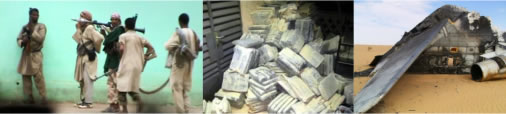
Os grandes produtores e barões da droga, provenientes da América Latina, “descobriram” que governantes e instâncias de países como o Mali, o Senegal, a Guiné-Bissau ou Cabo Verde (e outros) são "fáceis de corromper". A região da África ocidental é hoje a mais importante placa giratória para a cocaina, cujo destino principal é a Europa, o maior mercado consumidor. Um documentário de autoria de Antonio Cascais.
Estreia: terça-feira, dia 16 de junho, às 21h10, no canal franco-alemão arte (duração 53 min.)
Watch the documentation here:
German language: https://www.youtube.com/watch?v=KmxH4GDeZFY
French language: https://www.youtube.com/watch?v=Y7O5WlmFoyo
|
| March 2015: |
"Angolan Oil Price Collaterals" - "Eine angolanische Dubai-Fantasie"
Antonio Cascais writes in IP-Journal about Angola and the effects of the falling
oil price
Since July 2014 the price of oil has been falling an the pain felt in Luanda is
big...
Archived PDF
(The foreign policy magazine IP ( https://ip-journal.dgap.org/en ) appears
in German as a bimonthly print magazine and in English as an online magazine
for German and European foreign policy. IP Journal is the source on important
foreign affairs issues, as well as in-depth analysis on central questions of
German and European foreign policy from renowned authors and experts in and
outside of Germany)
|
| April 2014: |
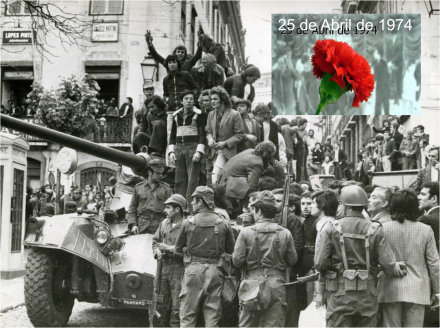
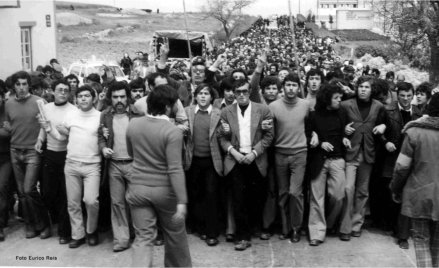
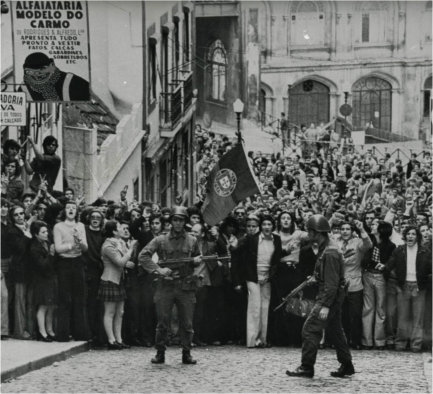
Antonio Cascais writes an article for the german weekly "Die Zeit" on Portugal
40 years after the revolution on April, 25th, 1974.
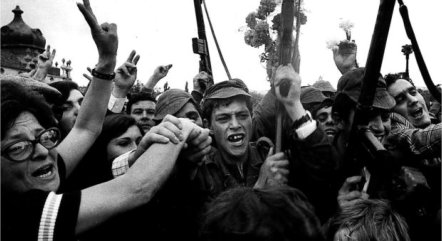
Euphoria gripped Portugal during the 1974 Carnation Revolution, when junior army
officers swept away a four-decade dictatorship. 40 years after Portugal is a
completely different country...
Archived PDF
April 28th
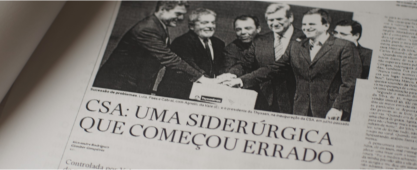
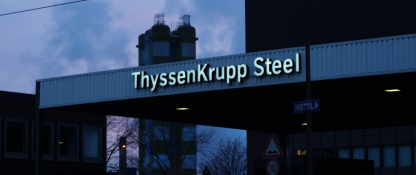
Today, monday, April, 28th, at 10 p.m., the documentary on corrupt german submarines deals is being broadcasted by german public tv channel WDR.
http://www1.wdr.de/fernsehen/dokumentation_reportage/die-story/sendungen/geschaefte-wie-geschmiert101.html
Archived PDF

Interview with jounalist Antonio Cascais on the documentary "the corrupt german- portuguese sumaine deal"
http://www1.wdr.de/themen/politik/diestorykorruptionruestung100.html
The documentary on the corrupt german submarine deal is being intensely debated in the german press:
http://deutsche-wirtschafts-nachrichten.de/2014/04/28/korrupter-u-boot-deal-zwischen-portugal-und-thyssenkrupp/
Archived PDF
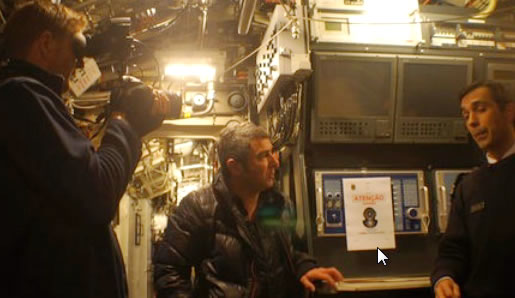
Documentary about corrupt german submarine deals. The origninal "Geschäfte wie geschmiert – U-Boote made in Germany", broadcasted April, 28th, in german public tv WDR:
http://www1.wdr.de/fernsehen/dokumentation_reportage/die-story/sendungen/videogeschaeftewiegeschmiert102-videoplayer.html
A slightly modified version in portuguese language:
https://www.youtube.com/watch?v=g_n0HGO3m2g
Portuguese press comments the documentary on corrupt german submarines deals
http://rr.sapo.pt/informacao_detalhe.aspx?fid=26&did=146822
Archived PDF
April 2014:
Article about the portuguese revolution 1974 in the weekly newspapaper "die Zeit" german language / pdf
|
| June 2013: |
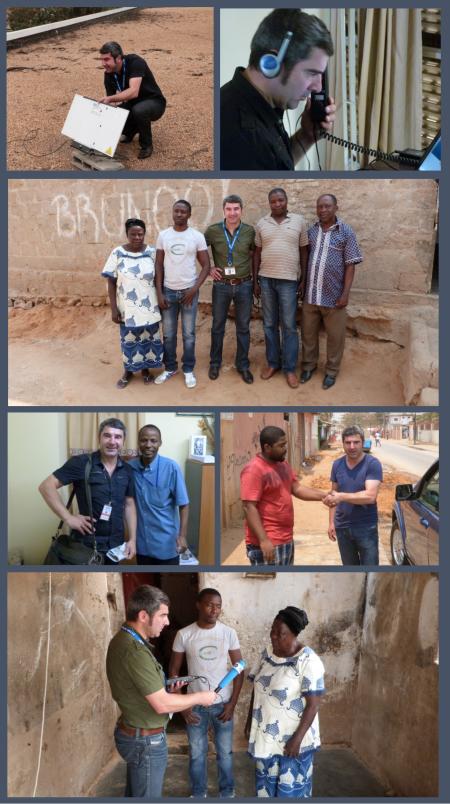
Antonio is making interviews and researches in Angola
Topics:
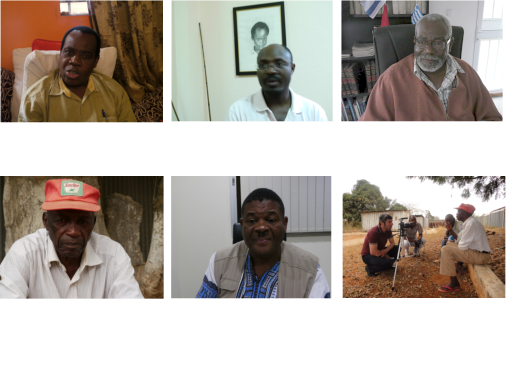
How do the Angolans evaluate, nearly 40 years later, the decolonisation of Angola, which followed the fall of the Salazar dictatorship in Portugal?
Interviews with several protagonists:
|
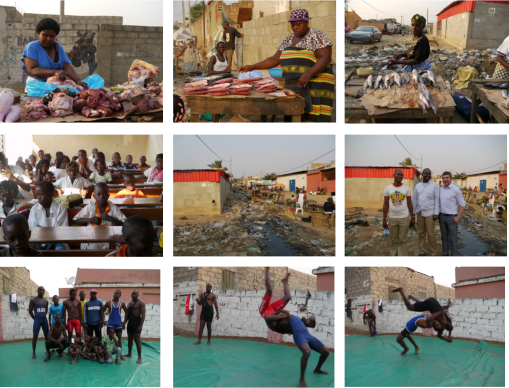
How the 'everyday' takes place in the “musseques”, the poor areas
of Luanda
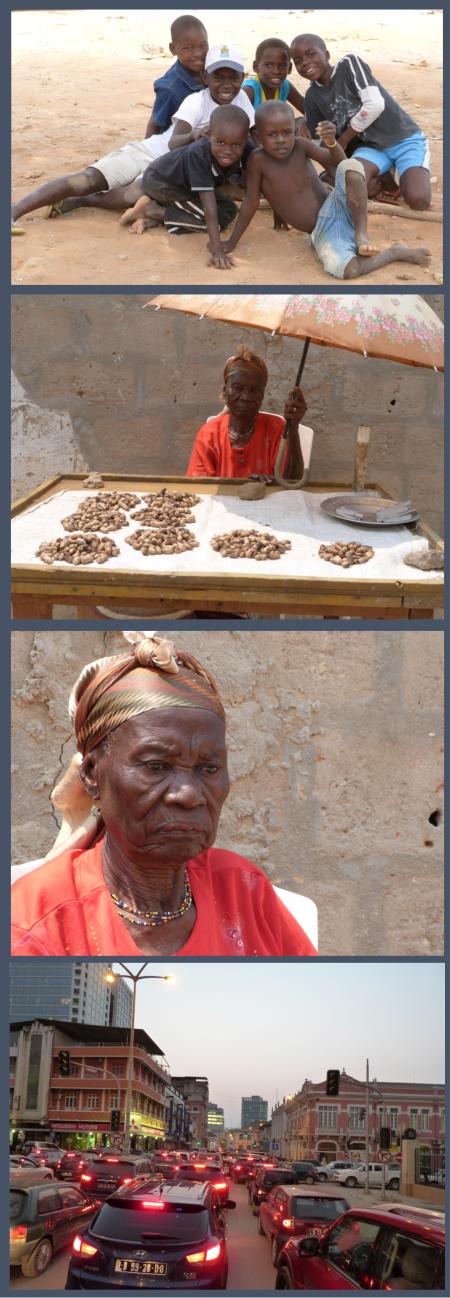
below: pictures of the the Sambizanga quarter, nearby the centre of Luanda
How german enterprises try to penetrate the Angolan market
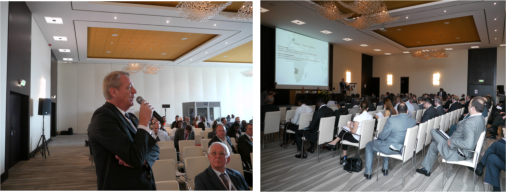
Links German and Portuguese language
http://www.dw.de/deutschland-entdeckt-angola-nur-allm%C3%A4hlich/a-16871003
http://www.dw.de/burocracia-angolana-pode-travar-investimento-de-pme-alemãs/a-16870580
http://www.dw.de/um-ponto-de-partida-para-os-negócios-alemães-angolanos/a-16861065
http://www.dw.de/alemanha-e-angola-reforçam-laços-económicos/a-16858285
http://www.dw.de/empresários-alemães-querem-maior-fatia-nos-negócios-de-angola/a-16856358
http://www.dw.de/alemanha-está-pronta-
para-responder-ao-aumento-
da-demanda-por-energia-em-áfrica/a-16732755
http://www.dw.de/empresas-alemãs-apostam-no-petróleo-e-no-gás-de-angola/a-16730791
Antonio Cascais visited numerous media companies in Angola, especially some of the angolan radio stations not controlled by the angolan government: the purpose was to examine the progresses made in Angola in enhancing freedom of expression, with the establishment of the regulatory framework for independent media and the establishment of new institutions to foster quality journalism.
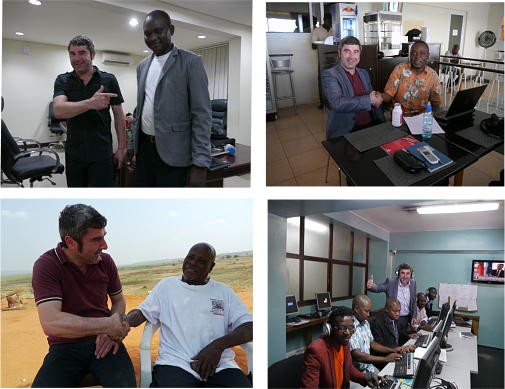
Ecclesia Manuel Vieira
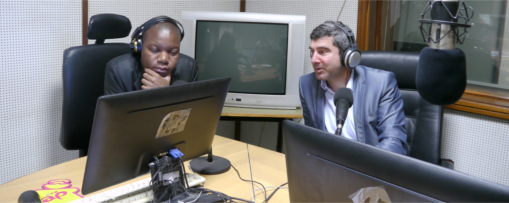
Listen to Antonio’s Interview in Radio Ecclesia, Luanda, June, 12th, 2013
click here (60’00’’ min. ) Portuguese language (the interview is conducted by Angolan journalist Manuel Vieira)
http://www.radioecclesia.org/index.php?option=com_
flexicontent&view=items&cid=208:audio&id=13034:discurso-directojornalista-manuel-vieira-conversou-com-o-jornalista-da-dw-radio-e-televisao-
alema-antonio-cascais&
Itemid=663#.Ue5CIaz_n_c
Antonio Cascais (l) & Joaquim Ribeiro (r)
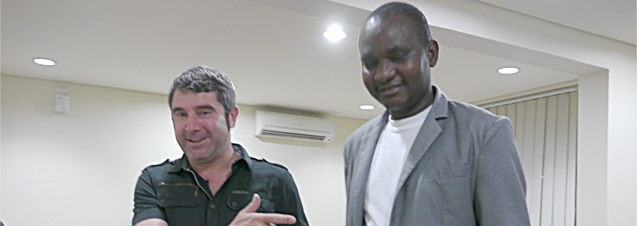
Listen to Antonio’s Interview in Radio Despertar, Viana, Luanda, June, 15th, 2013
click here (30’00’’ min. ) Portuguese language (the interview is conducted by Angolan journalist Joaquim Ribeiro)
More details on this topic coming soon
|
| March 2013: |
Friday, March, 8th, Portuguese construction workers were attacked
by unknown in Berlin and were badly wounded with knifes and sticks. German police an authorities say there was no xenophobic background, allthough the investigations are still in course. The incident took place in the Treptow-Köpenick area, on of the areas of Berlin most affected by the phenomenon of neo-nazism. The workers were sent back to Portugal in a bus four days after the attack. Antonio Cascais spoke with them and published some articles in the portuguese press, pointing the fingers on a reality the tourist guides often avoid.
PDF of onlinearticle on
Visão.pt - portugues language
PDF article in Visão magazine, Lisbon - portugues language
|
| January 2013: |
Antonio Cascais is working on several stories in Brazil:
Ahead of Brazil World Cup 2014: free English, French and Spanish classes planned for prostitutes.
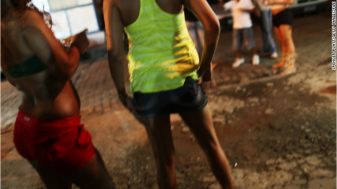
Prostitutes in Brazil
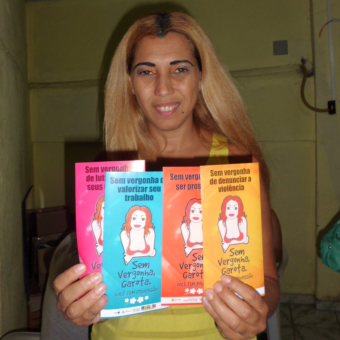
Cida Vieira, president Aprosmig, Association of Prostitution in Belo Horizonte
German article on dradio.de click here
Listen to the report in german language click here
|
| November and December 2012: |
"Finding the 'Portuguese Dream' in Angola"
Antonio speaks with some of the more than 120.000 Portuguese workers in Angola radio report for DRadio Wissen (German Broadcasting Service)
http://wissen.dradio.de/migration-zum-arbeiten-nach-angola.37.de.html?dram:article_id=233854
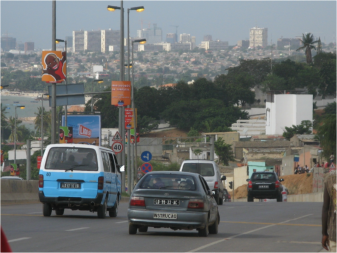
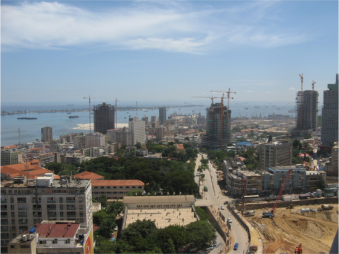
Click here - audio German language
Headhunters in Lisbon are currently lining up highly skilled Portuguese workers for good paying jobs in Angola, an African country currently experiencing enviable growth. There is no economic crisis in the former Portuguese colony and it offers something that is currently scarce in Portugal: jobs.
Der Spiegel report research by Antonio Cascais for Helene Zuber
Click here English language PDF
Click here Der Spiegel report - German language PDF
|
|
|
| August and September 2012 |
Antonio is covering the elections2012 in Angola
Sept., 7th, 2012
Interview with António Cascais on Angola (DW radio show with Cristina Krippahl & António Rocha)
click here ( portuguese language )
Aug., 31st, 2012
DW radio show on angolan elections with Mark Caldwell, editor English for Africa (report by António Cascais & interview with Antonio Cascais)
click here (english language )
António interviews Rafael Marques, journalist and human rights activist, one day before the angolan elections.
click here (english language )
Aug., 20st, 2012
report by Antonio Cascais on the "angolan spring", the young opposititon movement
click here (German language )
Additional Reports on angolan elections, August, 31st, 2012
In the angolan election (August, 31st) President José Eduardo dos Santos wants to extend his 33-year rule – and to entrench an elite that controls Africas's second-biggest oil industry and is fast expanding its hold over the continent’s natural resources. Such is the ruling MPLA - Popular Movement for the Liberation of Angola’s hold on power that few predict anything other than victory for Mr dos Santos, despite a Gallup poll last year which found that only 16 per cent of Angolans approved of dos Santos' rule.
For further information please contact Angonio Cascais.
E-mail: info@antoniocascais.net
Preliminary article on the angolan elections (german language): click here
Artikel: angolan_Jugendbewegung.doc
Hear the audio version (german language): click here
Audio: Angola-Proteste.mp3
Angolan Impressions: The Luanda Independence Square (Praça da Independência), three days before the election
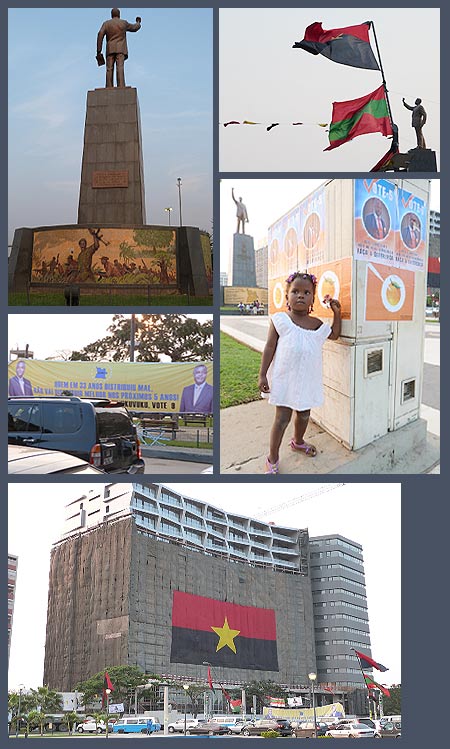
LUANDA, ANGOLA, August, 31st
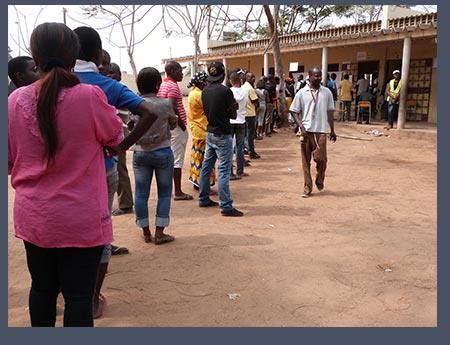
Article on angolan elections, August, 31st, 2012
( english language) here
( portuguese language) here
Reports on angolan elections by Antonio Cascais (english language)
listen Here
Angolan Impressions:
|
| January 2012: |
Diffusion of the documentary "Les Fachos",
a 56'22" length film on extremist, right wing movements in France, Hungrary,
England & GERMANY. Antonio Cascais participates in this production by Yemaya, Paris for french tv M6.
|
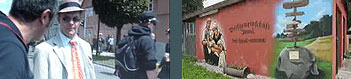
Click on the thumbnails above to watch a short excerpt.
Excerpt 1 click here
Excerpt 2 click here
| December 2011: |
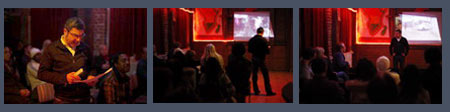
Antonio Cascais meets African, especially Angolan immigrants in Eberswalde, eastern Germany and speaks about the situation of the relatives of Amadeu Antonio in Luanda, Angola.
Photographs taken in the African Association: Palanca, e.V., Eberswalde, Friday, Dec., 9th, 2011
Amadeu Antonio Kiowa was a contract worker from Angola who lived in Eberswalde
in the state of Brandenburg. In the night of November 25th, 1990, a group of about 50
neo-Nazi youths carrying baseball bats went through the city on a "hunt" for blacks.
They found and assaulted three black men at a bar: two Mozambicans were severely
injured but escaped, while the 28-year old Amadeu Antonio Kiowa fell into a coma
from which he did not recover. He died two weeks later.
Amadeu Antonio was one of the first fatalities of racist violence following German
reunification. Five of the young culprits were convicted by the court in
Frankfurt/Oder and received sentences ranging from probation to at most four years in
prison. lt was never established who dealt the fatal blow. Amadeu Antonio Jr. never
got to know his father: he came into the world a few weeks after Amadeu Antonio
Kiowa's death. Today he lives with his mother and his three siblings in the state of
Brandenburg. Helena Afonso, the mother of Amadeu Antonio, lives in the poor Rocha
Pinto quarter in Luanda Angola. He has also five brothers and and two sisters, who are
still waiting for information and compensation for the damages caused by the murder.
Some scenes on the life of Amadeu Antonio’s family in the Rocha Pinto quarter,
Luanda, filmed Saturday, Sept., 3rd, 2011, Portuguese language - HERE
Written summary of the the filmed scenes — PDF German language -HERE
----------
Article by António Cascais on anti-government protests in Angola
manuscript in german language: "Heute Gadaffi - morgen JES" - PDF
-----------
Article by António Cascais on angolan music
manuscript in portugues language: música angolana- PDF
Article by António Cascais on angolan culture
manuscript in portugues language: cultura angolana- PDF
|
| March 2011:
|
TV show "Samstagabend"; topic: Portugal
Antonio participates as an expert in the TV show "Sanstag Abend", produced by German Public tv station SWR
http://www.swr.de/
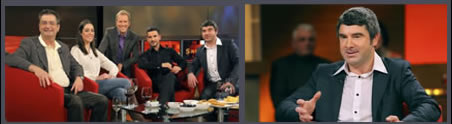
Broadcast:
Saturday, March, 19th 8.15 pm until 9.45 pm
|
| November 2010: |
Antonio works in Maputo, capital of Mozambique
Topic of his work as a journalism teacher: economic journalism, ethical challenges for journalists covering economical affairs.
Some impressions:
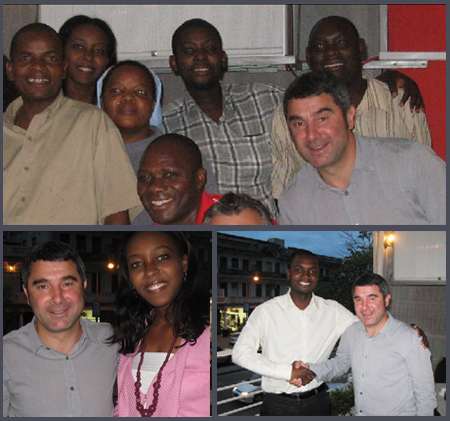
Antonio Cascais with some paticipants of the course "making finance for africa", Maputo, Mozambique, for instance with mozambican TV journalists Selma Marivate and José Macamo
|
| Oktober 2010: |
TV show “Planet Wissen”; topic: Portugal
Antonio participates as an expert in the TV show Planet Wissen, produced by German Public tv stations WDR, SWR und BR-alpha
| Broadcast: October, 7th |
|
|
| |
WDR |
3 pm |
| |
SWR |
3 pm |
| |
1plus |
5:45 pm |
| |
BR-alpha
|
9:45 pm |
Link: http://www.planet-wissen.de/
Watch the show here (german language ): Part1 Part2 Part3
Here the transcription of the Interview Antonio Cascais gave on the impact of the EU on Portugal: PDF in german language
|
| |
| August 2010: |
Mozambique
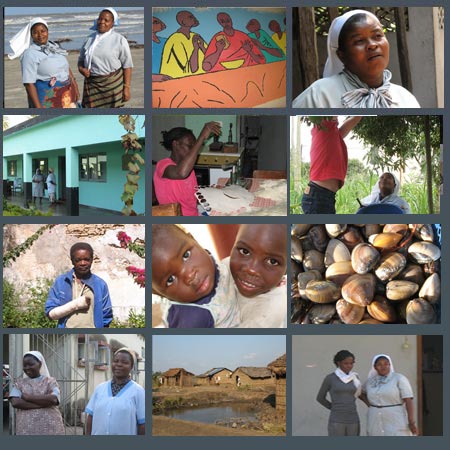
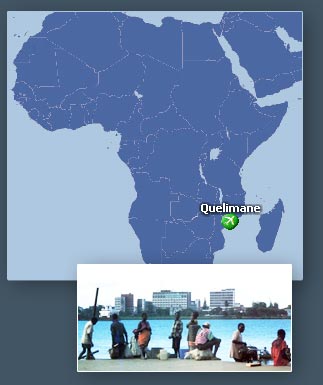
Antonio’s trip to Quelimane, capital of the mozambican Zambézia Province.
Topics of this prospective trip: Cooperation with sisters Idalina and Justina, editors of catholic “Nova Radio Paz”; Environmental situation in Zambésia Province; Social Security, etc.
Some impressions:
“Mwana machwabu kunkalla buruto!” – (“Among the children of the chwabu people there is no stupidity!”) - This is the key sentence in the local chwabu language, I learned before travelling to Quelimane. Before the trip I consulted my eldest Mozambican friend Daniel Machava. As he was born in Maputo his mother tongue – beside the Portuguese - is ronga and not chwabu. And “as a ronga” - he told me – “I’m a foreigner in Zambésia, like you”. But the people in Zambesia are extremely proud, but also open-minded and hospitable, especially if they hear sentences like this one, formulated in their chwabu mother tongue: “Mwana machwabu kunkalla buruto!” - “If you tell this sentence to a waiter or someone else in the streets of Quelimane you probably will win a new friend and be served like a king” – that was the promise of my friend Daniel Machava, who lives in Europe for more than 3 decades, but visited once Quelimane when he was a young man. Thank you, Daniel, for teaching me this very nice sentence. By the way: It worked!
Quelimane is a seaport in Mozambique. It is the administrative capital of the Zambesia Province and the province's largest city, and stands 25 km from the mouth of the Rio dos Bons Sinais Vasco da Gama, on his way to India, reached it and saw "good signs" that he was on the right path. The town was the end point of David Livingstone's famous west-to-east crossing of south-central Africa in 1856. Portuguese is the official language of Mozambique, and many residents of the areas surrounding Quelimane speak Portuguese. The most common local language is Chwabo, apart from Longwé. Quelimane, along with much of Zambezia Province, is extremely prone to floods during Mozambique's rainy season. The most recent bout of severe flooding took place in January 2007.
|
| June / July 2010: |
Cape Verde:
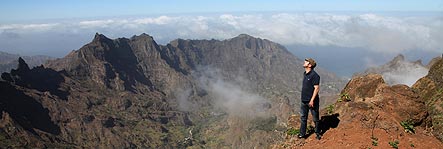
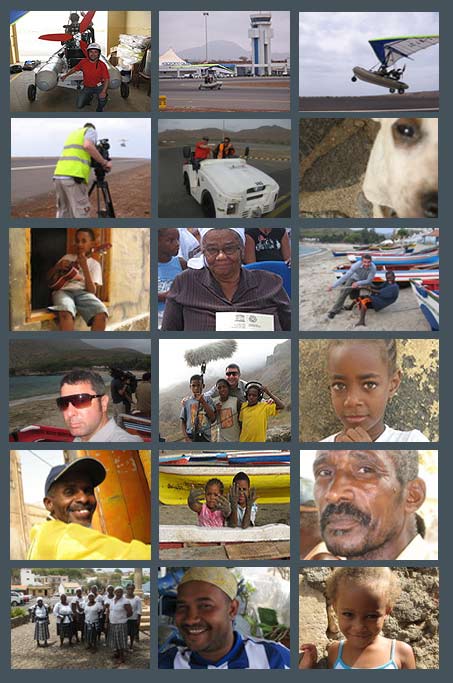
Antonio Cascais participates in the Shooting for a documentary on Cape Verde. Some impressions
|
| May 2010: |
Portugal:
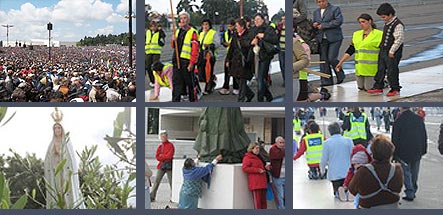
Antonio Cascais reports on the pope’s visit to Portugal (Lisbon, Fátima & Oporto) in cooperation with ARD Studio Vatikan.
|
| March / April 2010: |
Angola:
Antonio Cascais works together with ZDF anchorwoman Marietta Slomka – Germany’s second public tv channel – and SPIEGEL TV (Hamburg) on a 45 minutes length documentary on economical and social developments in Africa
Antonio reports on the still widening gap between rich and poor in Angola…
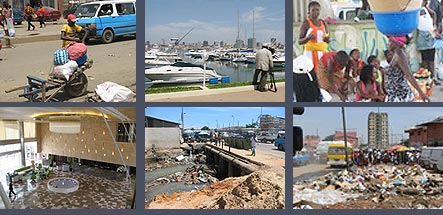
Still in Angola, Antonio reports on the extremely precarious conditions in Angolan pediatric hospitals.
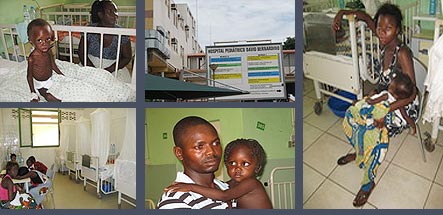
Antonio’s reports are regularly being (re)broadcasted in European and African tv and radio stations. Listen to a radio report by Antonio Cascais broadcasted by radio Ecclesia, Luanda (Portuguese language)
Listen to a audio report in portuguese language by Antonio Cascais
Summary of the report in portuguese language:
Angola é um dos paises mais afectados do mundo pelo problema da mortalidade infantil
Os observadores internacionais temem que Angola não vai conseguir atingir os objectivos do milénio que apontam para uma redução substancial dos índices de mortalidade infantil até 2015. Uma reportagem de António Cascais.
|
| February / March 2010: |
Cape Verde:
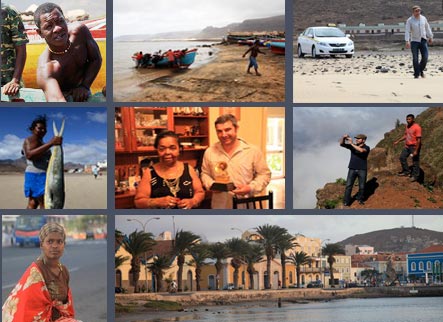
Antonio Cascais works together with Filmquadrat.dok (Munich) and Christian Schidlowski (Berlin) on a documentary film about Cape Verde
See some pictures of the preparation and prospecting tour:
|
| January 2010: |
Angola:
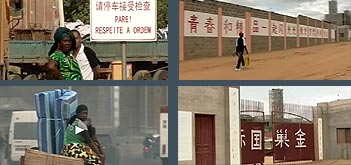
Antonio Cascais works together with ARD – Germany’s first public tv channel – on a 45 minutes length documentary on the impact of the chinese presence in Africa.
Please click the image to watch a short excerpt.
--------------------------------------------------------------------------
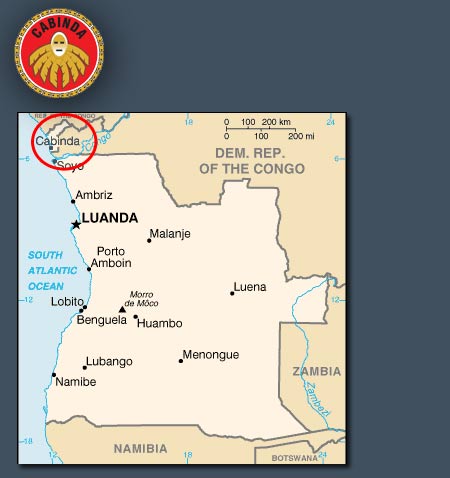
Cabinda
Cabinda, an exclave and province of Angola (a status that has been disputed by many political organizations which consider the occupation of the territory by Angola illegal).
Antonio’s trip to Cabinda takes place after the attack perpetrated by the independentist group Flec against the Togo football team which participated in the african Football Cup of Nations, CAN - Angola 2010. The attack left three dead, several injured and has led to the withdrawal of the Togo team from the tournement.
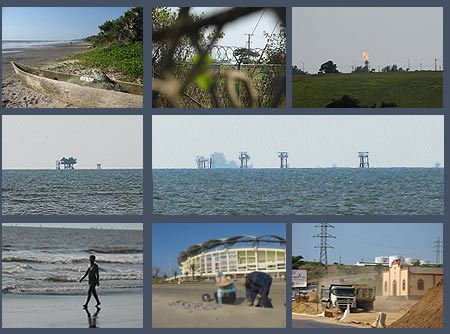
Background information article on Cabinda by Antonio Cascais for Deutsche Welle Radio (german language): PDF german language
Latest “Human Rights Watch” report on Cabinda:
PDF english language or read article here
PDF portugues language or read article here
Interview by Antonio Cascais with Human Rigths Watch activist Lisa Rimli for DW-Radio (portuguese Language); (24.02.2010)
Report on the 4 new angolan football stadia, including the Chiazi-Stadium in Cabinda, build by the chinese for the african Cup of Nations 2010
(portuguese language); (26.02.2010)
Cabinda - with a population of nearly 150 000 - is an exclave and province of Angola, a status that has been disputed by many political organizations in the territory. The capital city is also called Cabinda. The province is divided into four municipalities - Belize, Buco Zau, Cabinda and Congo.
Cabinda is separated from the rest of Angola by a narrow strip of territory belonging to the Democratic Republic of the Congo, which bounds the province on the south and the east. Cabinda is bounded on the north by the Republic of the Congo (Congo-Brazzaville), and on the west by the Atlantic Ocean.
Adjacent to the coast are some of the largest offshore oil fields in the world. Petroleum exploration began in 1954 by the Cabinda Gulf Oil Company, when the territory was under Portuguese rule. It is estimated that 60 % of angola’s oil reserves are in deep fields off shore from Cabinda. The territory is able to produce ca. 700,000 barrels of crude oil per day. Cabinda Oil is associated with Sonangol, Agip Angola Lda (41%), Chevron (39.2%), Total (10%) and Eni (9.8%).
In 1885, the Treaty of Simulambuco established in Cabinda a Protectorate of Portugal and a number of Cabindan independence movements consider the occupation of the territory by Angola illegal. While the Angolan Civil War largely ended in 2002, an armed struggle persists in the exclave of Cabinda, where some of the factions have proclaimed an independent Republic of Cabinda.
|
Angola:
Antonio Cascais works together with ARD – Germany’s first public tv channel – on a 45 minutes length documentary on the impact of the chinese presence in Africa
Watch a short trailer here
| December 2009: |
São Tomé e Príncipe:
Antonio Cascais visits the Portuguese-speaking island nation in the Gulf of Guinea, off the western equatorial coast of Africa
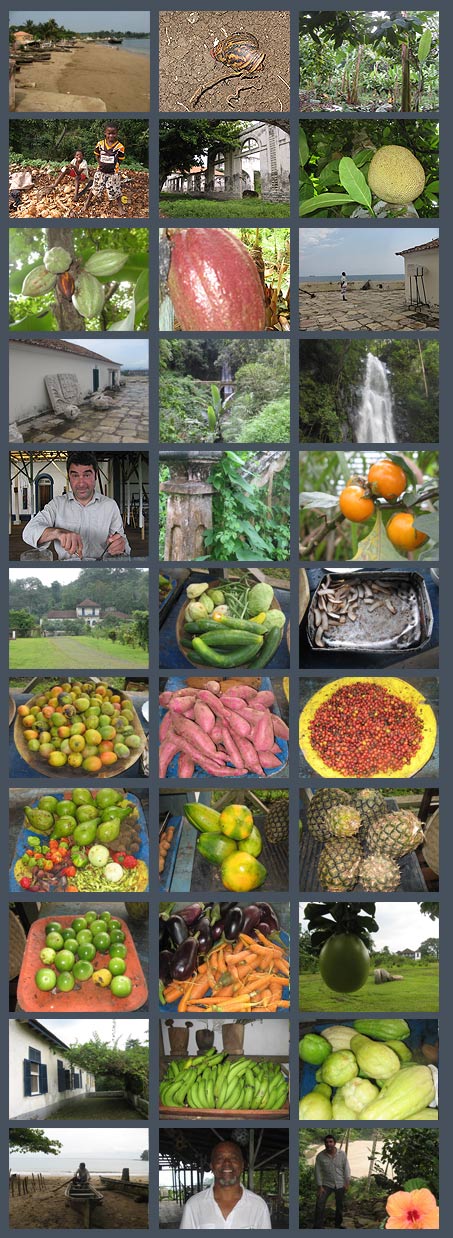
From the late 1400s Portugal began settling convicts on Sao Tome and establishing sugar plantations with the help of slaves from the mainland. The island was also important in the transshipment of slaves. In the XIX century coffee and cocoa crops were introduced.
Sao Tome and Principe is trying to shake off its dependence on the cocoa crop. Falls in production and prices left the island state heavily reliant on foreign aid. The government has been encouraging economic diversification and is set to exploit the billions of barrels of oil which are thought to lie off the country's coast.
more information on this topic coming soon
|
| October and November 2009: |
Mozambique elections: Antonio Cascais travels to Cabo Delgado, Nampula, Sofala, Zambésia and Maputo provinces:
Antonio Cascais covers presidential elections as well as national and regional parliamentary elections in Mozambique
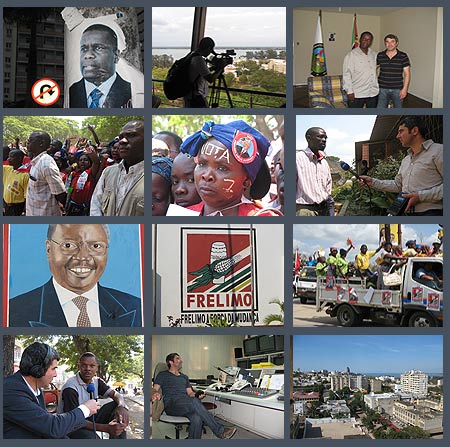
Frelimo party, in power since it led the country to independence from Portugal in 1975, oficially wins 191 parliamentary seats out of 250 - enough to change the constitution at will. The main opposition parties claim election fraud.
more information on this topic |
| September 2009: |
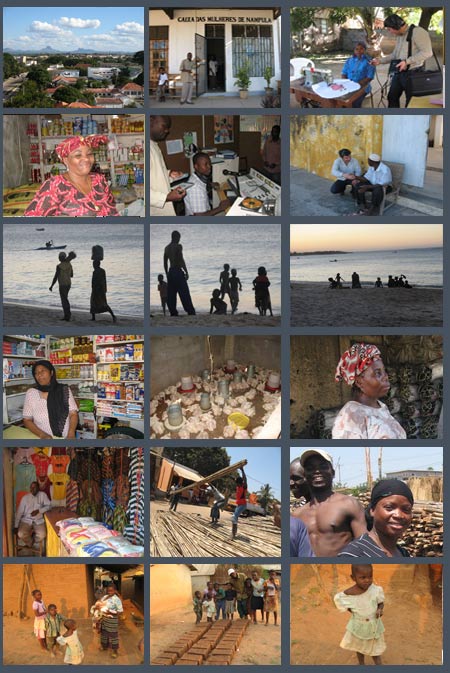
Nampula, Mozambik: Antonio Cascais is working on several reports about the people's access to micro credits.
more information on this topic coming soon
|
| August 2009: |
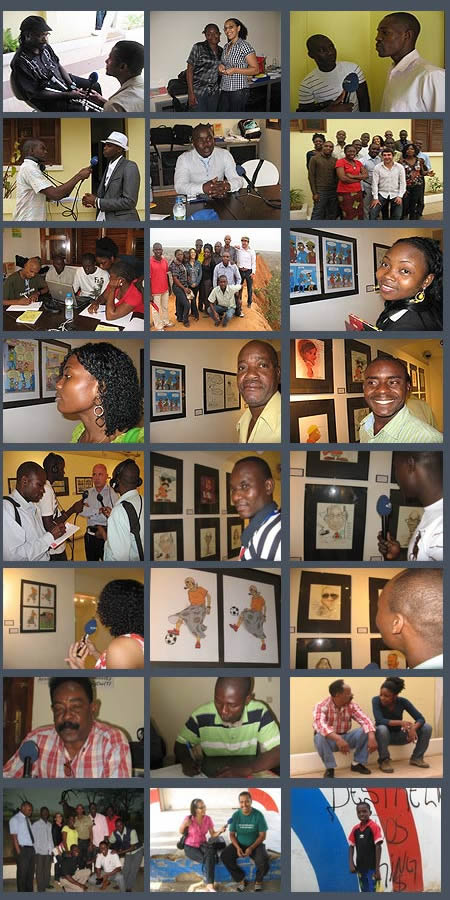
Luanda, Angola: António Cascais organizes a course on cultural journalism for 14 Journalists from five lusophone african countries.
The program includes meetings with outstanding angolan poets, artists and musicians, as well as visits of museums and galleries. Thanks to DW-Akademie and Goethe-Institut, Luanda...
|
| July 2009: |
António Cascais is preparing several trips to Angola and Mozambik
more news coming soon...
|
| June 2009: |
António Cascais reports on Angola, at the DASP congress (german society for the african portuguese speaking countries), Universität zu Köln, Cologne University, Germany
Read the script: PDF german language

António gives a lecture on Angola at the "Portuguese Club International", Cologne, Germany
Read the script: PDF portuguese language
|
| May 2009: |
Antonio is visiting Mozambik (Moçambique) Nampula
Province & Maputo

|
| 2009 March |
Antonio's Tour to the Kissama National Park (70 Km southwest of Luanda)
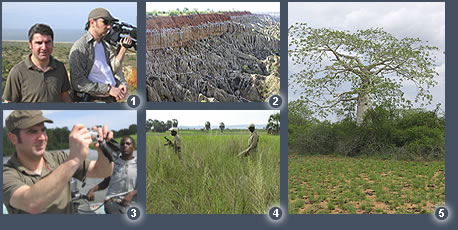 1) Angola: Antonio is capturing pictures & sounds in the middle of nowhere 1) Angola: Antonio is capturing pictures & sounds in the middle of nowhere
2) In Angola or on the moon?: a country with a huge diversity of landscapes
3) On the river Kwanza: The Kissama Nationalpark invited us on the boat
4) Soldiers in former times: the rangers of the kissama national park
5) Angolan "Imbondeiro" tree: a national symbol
----------------------------------
Antonios Trip to Sumbe and Gabela (kwanza Sul Province)
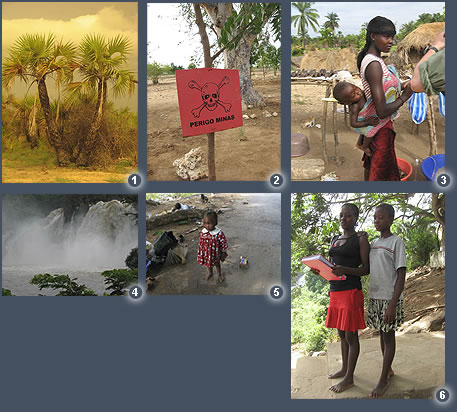 1) Kwanza Sul landscape: twilight atmosphere south of the Kwanza river 1) Kwanza Sul landscape: twilight atmosphere south of the Kwanza river
2) Seven Years after the war between MPLA and UNITA: On the way to Sumbe, the capital of Kwanza Sul province there are still inumerous landmines of russian, cuban and romenian origin, colocated by the MPLA governamental troops
3) Between the cities of Sumbe and Gabela: Little villages with nice inhabitants who live from the fish of the Keve river
4) Paradise now: The spectacular waterfalls of Cachoeira
5) little girl with toy in Cachoeira
6) Young ladies welcoming the visitors of Cachoeira
------------------------------------------------
Antonios Trip to Sumbe and Gabela (kwanza Sul Province)
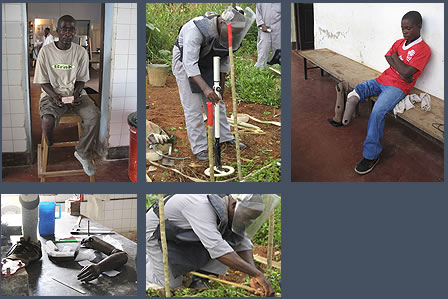
-----------------------------------------------
On the streets of Luanda
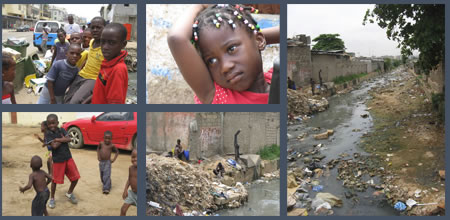
-----------------------------------------------
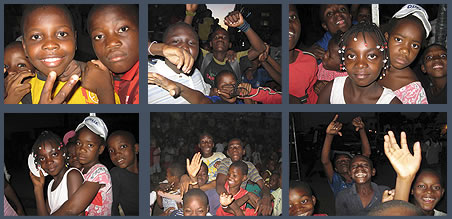
The day before the pope came...
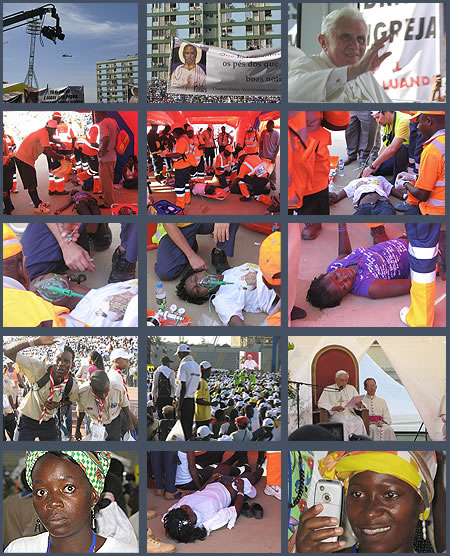
Fotos made by Antonio Cascais during a party at "Combatentes" square, near the center of Luanda, organized by the catholic church to welcome the pope in Angola (2009, March, 20th - 23th)
-----------------------------------------------
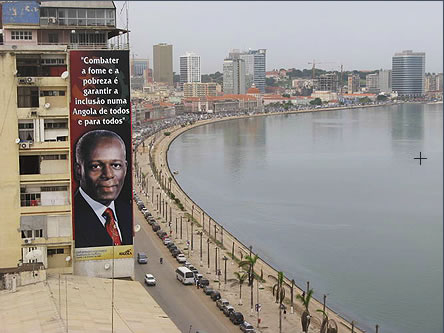
The view from my 20th floor hotel room...
Every mornig - during my stay in Luanda - i wake up with this view of the baía de Luanda and the portrait of (the not yet directly elected) President José Eduardo dos Santos, in power since 30 years...
-----------------------------------------------
500 Years of christian missionaries in Africa march, 20th - 23th:
the pope visits Angola
A background report by Antonio Cascais (German language) PDF
-----------------------------------------------
"No, he can't": the pope arrived in Luanda and showed, that he is not a good communicator
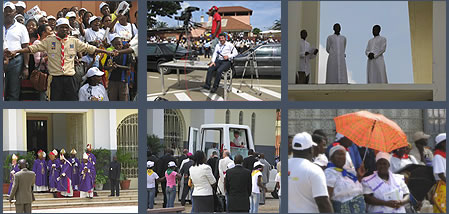
-----------------------------------------------
The Day the pope met young people in a Luanda Stadium
Some of them didn't survive (2 dead girls, at least 20 gravely wounded)
-----------------------------------------------
The pope in Africa
A Film produced by BR-tv (bavarian public television, Munich, Germany) in cooperation with Antonio Cascais (german language)
Watch the full-length feature at www.br-online.de here:The pope in Africa
or watch the shortend version in the window below:
Users of MS-Internet-Explorer may have to wait a few seconds
until the video starts playing!!!
|
| 2009 March |
Antonio Cascais is covering the official visit of the portuguese President, Aníbal Cavaco Silva, in Germany
Radio reports (portuguese language / fotographs)

------------------------------------------------------------------------------------------
Antonio Cascais meets several angolan leaders, including the president, in Berlin, while - at the same time, he is preparing his next trip to Angola

|
| December 2008: |
Antonio is breathing the exceptional air of Quito, one of the highest capital cities of the world (2850 m). By the way he is researching on the media system of this latin american country.
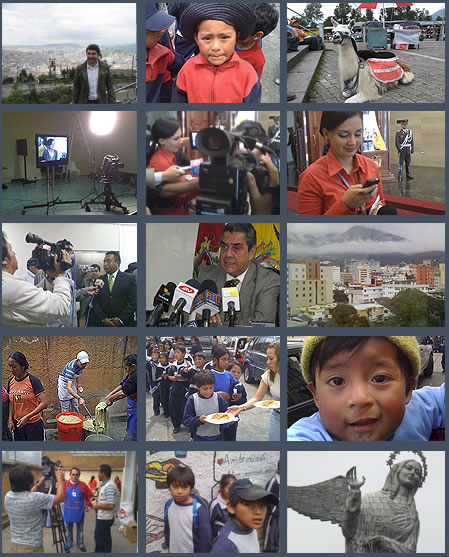
Please listen to this radio feature in portuguese language:
Ecuador - is the freedom of press in danger?
Ecuador – está em risco a liberdade de imprensa?
(audio (mp3) - portuguese language) PDF portuguese Language
|
| 2008 September |
Coverage of the parliamentary elections in angola
Antonio Cascais is covering Elections (September, 5th) in Angola: It is the first national vote for 16 years in Angola, which is booming because of soaring oil revenues and recovery from civil war. Angola wants the vote to set an example on the continent after flawed polls in Kenya and Zimbabwe.
 |
Full coverage at www.antoniocascais.net/angola.htm
Video:
Report on the angolan elections for ARD-TV with cooperation of António Cascais.
Please click on the image above to play the video.
|
| 2008 June |
The Documentary "Koran im Kopf II" ("Qur’an in my head - part II") is ready.
In this new documentary Barino, a young german who converted to islam, tells Antonio Cascais that "there are moderate Muslims, but - at the other hand - Islam itself is not moderate". Also, because of the Islamic mandates that apostates, blasphemers, and heretics must be killed - mandates which are also rooted in the Qur'an and the teachings of Muhammad - these reformers are often threatened and sometimes actually killed by Muslims who believe they have strayed from the Noble Path...
broadcasting date:
2008, August, 27th broadcasting time: first emission: 10.30 pm - 11.15 pm, wdr tv

Please click on the image above to watch the trailer. |
Further Information at : http://www.wdr.de or PDF German language
If you missed watching the movie on TV - you can watch it on youtube.com.
First Part | Second Part | Third Part | Fourth Part | Fivth Part
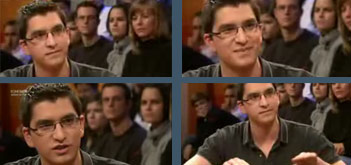 Please click on the image above to watch the interview. Please click on the image above to watch the interview.
Barino is invited to the RTL TV show "sternTV". Watch Barino in German SternTV talking about his personal experience within Islam
| 2008 April |
The Documentary "Verzweifelt gesucht: Mari und Maddie" is broadcasted on WDR-TV on thursday, april, 17th, 22:00 (10:00 pm) and on friday, April, 18th, 10:35 am.
|

Please click on the image above to watch the trailer.
Further Information at : http://www.wdr.de or PDF German language
| 2008 January - April |
António Cascais is working on two documentaries for german tv WDR.
|
|